Should You Rent a Telehandler for Oahu Material Staging?
Stage Materials Faster Across Your Oahu Jobsite
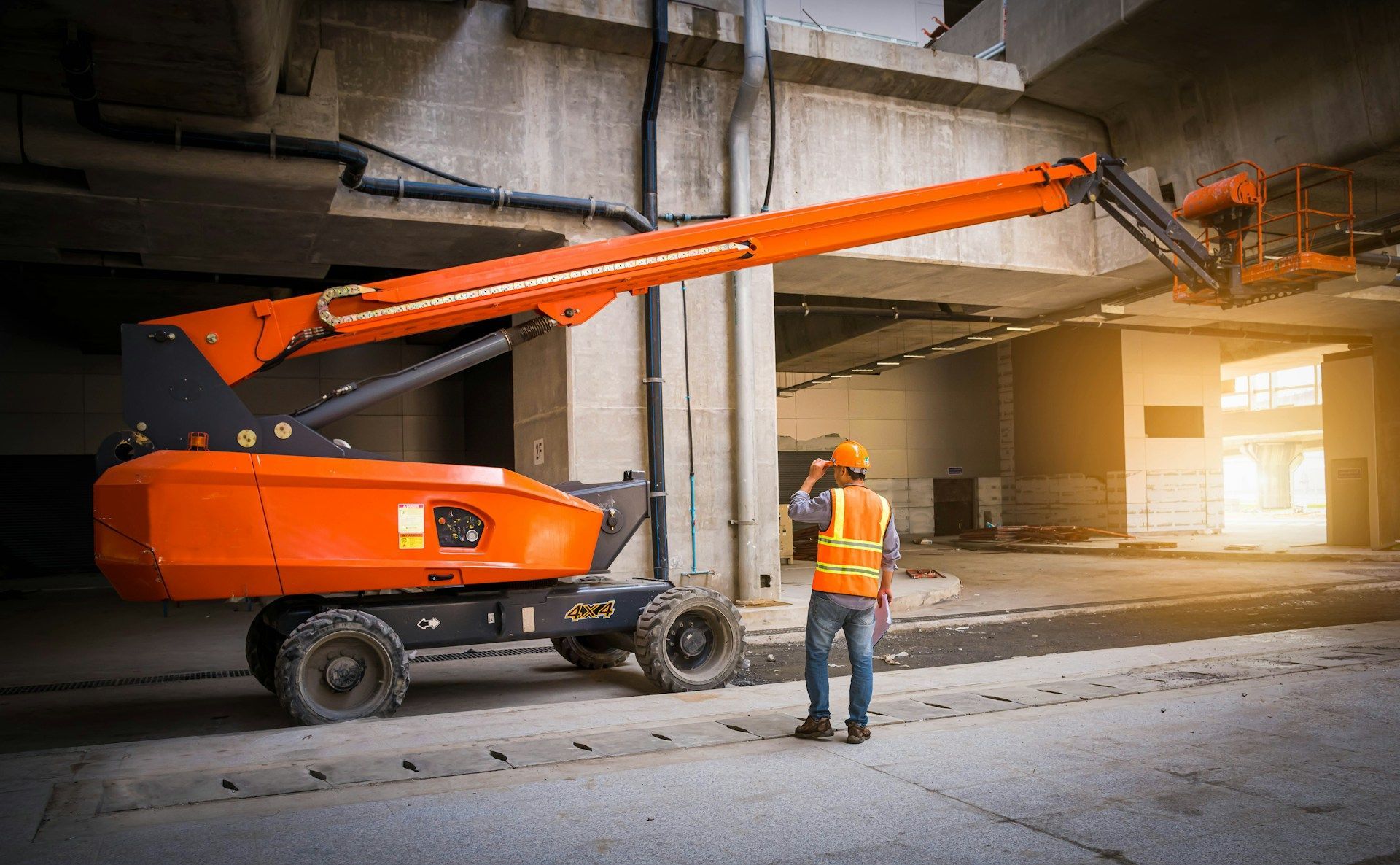
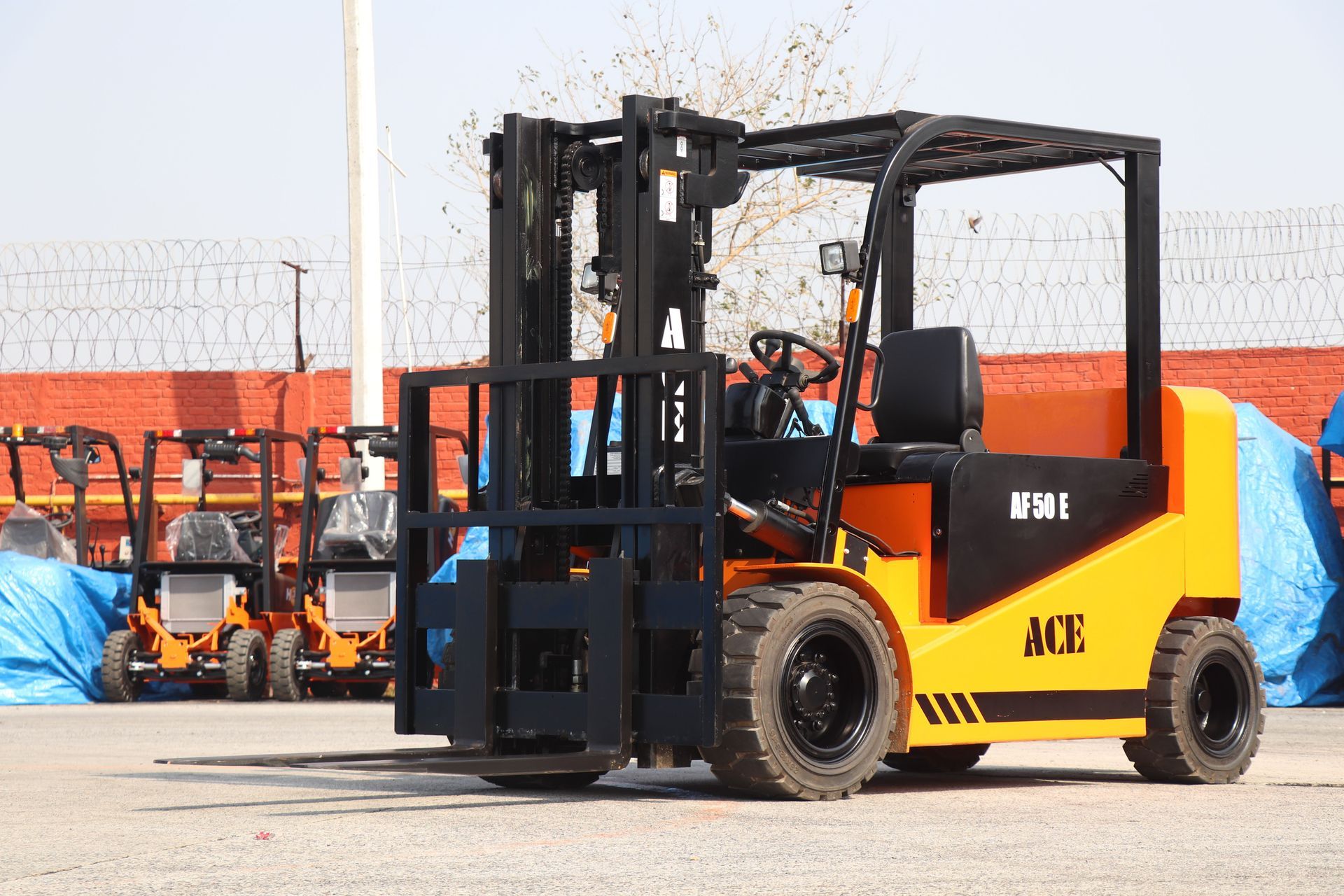
A telehandler can make material staging much easier when deliveries arrive before the work area is ready. Instead of leaving lumber, roofing supplies, masonry products, or pallets crowded near the driveway, you can lift and place them closer to where the crew will need them.
Across Oahu, we often see projects with limited room for deliveries and active work happening at the same time. A telehandler helps move loads from the drop-off point to an upper level, across a setback, behind an obstacle, or into another hard-to-reach area without repeated manual handling. Better staging can help keep work zones clearer, reduce material damage, and prevent crews from losing time moving the same supplies again and again.
The right telehandler rental in Hawaii depends on more than the size of the delivery. Material weight, placement height, site access, ground conditions, and the project timeline all matter. At Equipment O‘ahu, we help homeowners and contractors think through those details before equipment arrives.
Match Telehandler Reach to Your Staging Plan
Before selecting a machine, start with one practical question: where does each load need to go after the truck leaves? Telehandlers are especially useful when materials need to be placed above ground level, beyond an obstacle, across a large yard, or near a work area that a delivery truck cannot safely reach.
It is important to know the full weight of what you plan to lift. That means looking beyond the pallet itself and accounting for bundled materials, supplies, attachments, forks, rigging, and anything else traveling with the load. A machine’s lifting capacity changes as the boom extends, so the maximum capacity listed for a telehandler does not apply to every reach and height.
When you talk with us about a rental, it helps to share:
- The type and estimated weight of the materials
- The lift height and forward reach needed
- The delivery schedule and number of loads
- The intended placement area and available working space
Pallet forks are a common choice for bundled lumber, palletized block, roofing materials, and other jobsite supplies. Other compatible attachments may suit more specialized work. The proper setup helps an operator keep the load stable and place it where the crew needs it, rather than creating another pile that must be moved later.
For short-term projects, a telehandler rental in Hawaii can support focused staging work without requiring you to own equipment that may sit unused after the job is done. We recommend reviewing the machine’s load chart and operating instructions before work begins, rather than choosing based only on a high capacity number.
Measure Access Before Booking a Telehandler
A telehandler needs more than lifting room. It also needs a safe path from the delivery area to the staging location. Before booking, walk the property and look for anything that may limit travel or visibility, including tight gates, narrow driveways, sharp turns, trees, overhead utility lines, parked vehicles, and neighboring buildings.
Oahu properties can also bring uneven terrain into the plan. Sloped lots, loose fill, gravel drives, muddy patches, and rough ground can affect how a machine travels and how safely it can lift. Whenever possible, lifting and placement should happen on firm, level ground. If the site is not prepared, even a well-planned delivery can slow down quickly.
A simple pre-rental checklist can help keep staging day organized:
- Confirm the material delivery window
- Mark a travel route and intended staging area
- Remove unnecessary obstacles from the work zone
- Check for overhead clearance and restricted turns
- Plan for clear visibility or a trained signal person when needed
Local access matters. Many residential and commercial properties have tighter working areas than a large open jobsite. By discussing equipment dimensions and intended use with us ahead of time, you can avoid bringing in a machine that is too large for the property or too small for the workload.
Compare Rental Costs with Manual Material Moves
A telehandler should be viewed as a productivity tool, not simply another item on the job list. When supplies need to be moved uphill, placed on a second story, or carried across a large property, manual handling can create a long chain of extra work. Multiple labor trips, repeated forklift repositioning, or waiting for another type of lift can all delay the next phase of construction.
We commonly recommend considering a telehandler when a project includes several deliveries or materials that must be placed close to the point of use. This can include home additions, roof replacements, second-story renovations, commercial tenant improvements, retaining wall work, landscaping projects, and other jobs where pallets need to be staged efficiently.
Timing makes a difference, too. If deliveries and placement can be coordinated during one shift, a one-day rental may fit the staging plan. A multi-day rental can make more sense when deliveries are phased, work priorities may change, or weather could interrupt the schedule.
The value is not only about moving a load faster. Thoughtful staging can help reduce worker fatigue, protect materials from unnecessary handling, keep pathways open, and prepare the site for skilled trades. Operators must be trained, follow manufacturer guidance, use the load chart, and follow jobsite safety procedures and applicable local requirements.
Plan for Oahu Rain, Wind, and Uneven Ground
Fall on Oahu is a good time to pay closer attention to rain planning. Wet conditions can soften soil, make slopes slippery, and leave standing water near driveways or delivery areas. Those changes can affect access, machine stability, and safe load control.
Checking the forecast before scheduling deliveries and telehandler work gives your team a better chance to adjust early. This is especially important on exposed lots, elevated work areas, coastal properties, and locations where wind can make a suspended or elevated load harder to control.
A telehandler is capable equipment, but it is not a solution for unsafe ground. Site preparation may involve creating a stable travel route, improving drainage, using appropriate ground protection, and identifying a level lifting area. Loads should be secured, unnecessary boom extension should be avoided, and changing conditions should be taken seriously. If rain, wind, or ground conditions make the work unsafe, pausing is the right call.
Secure the Right Lift for Your Next Delivery
Renting a telehandler can be a smart choice when materials need to be staged higher, farther away, or with less repeated handling than a crew can manage by hand. The strongest plan matches the machine to the load weight, reach, terrain, access route, delivery timing, and changing weather conditions.
Before the delivery truck arrives, confirm where every major load will go, how the telehandler will travel there, and whether the ground is ready for safe operation. That preparation can turn a crowded drop-off area into an organized staging zone and help the rest of the project move forward with fewer interruptions.
Keep Your Material Staging Moving Safely
Choose a
telehandler rental in Hawaii that fits your load-handling needs and project schedule. At Equipment O‘ahu, we can help you select dependable equipment for efficient material placement. Get the lift capacity and reach your job requires before work begins.